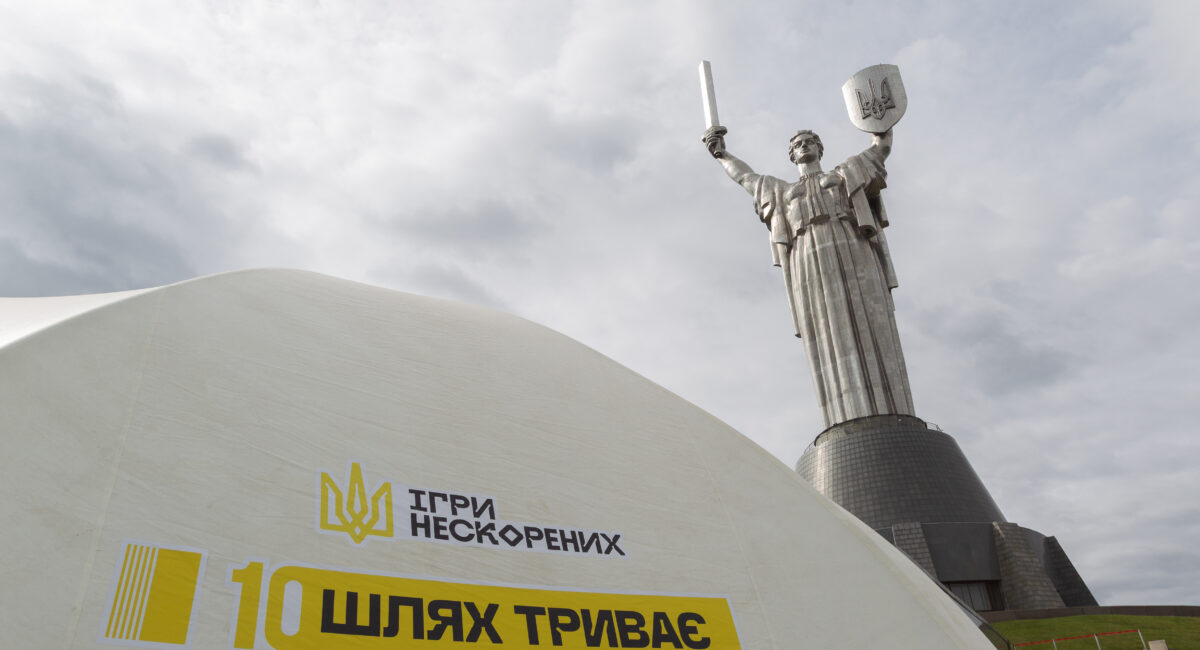
The Invictus Movement Marks 10 Years In Ukraine
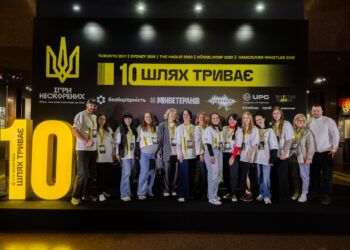
The Invictus Games Foundation today marks the 10-year anniversary of the Invictus Movement in Ukraine, recognising a decade of impact that has evolved from the formation of a first national team into a powerful national ecosystem transforming how wounded, injured and sick service personnel and veterans recover and reintegrate into society.
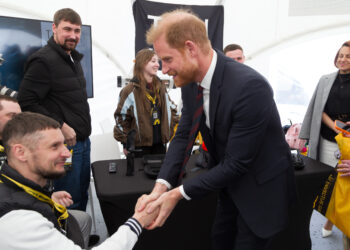
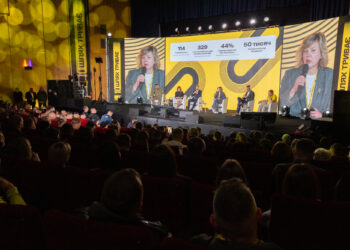
The milestone was commemorated at an international forum in Kyiv, bringing together veterans, government leaders, civil society and international partners. As part of the event, Prince Harry, The Duke of Sussex, Founder and Patron of the Invictus Games Foundation, joined a panel discussion alongside Alina Frolova, Nataliia Kalmykova, David Wiseman and former competitor Sem Lahun, reflecting on the journey of the movement in Ukraine and its growing global influence.
Over the past decade, the work of the Invictus Games Foundation in Ukraine has expanded far beyond sport. What began as a membership of the Invictus Games has become a catalyst for systemic change, helping to shape national policy, shift public perceptions and build a comprehensive model of recovery rooted in community, purpose and resilience. New research developed in partnership with the Invictus Games Foundation confirms the scale of this transformation, demonstrating that participation in adaptive sport plays a critical role in recovery and reintegration.
Among those engaged in adaptive sporting opportunities, 79% identify sport as a key factor in returning to active life, while 69% report successful reintegration into society which is significantly higher than across the wider veteran population. These outcomes reflect a deeper shift described throughout the research: a transition from a “patient” identity to that of an active, confident member of society, with renewed purpose and control over the future.
Addressing the forum, Ukraine’s Prime Minister Yulia Svyrydenko outlined the scale of change driven by the movement: “The Invictus Games has been the impetus for sport for veterans, with 300,000 veterans now engaged in sport recovery. The Invictus Games gives Ukraine the ability to show the world the heroic examples of resilience of our people asking to achieve more – they make stories visible.”
The impact extends well beyond individual recovery. The research highlights how the Invictus Games Foundation’s work has acted as a driver of institutional change in Ukraine, where veteran sport did not exist as a defined concept prior to 2017. Today, adaptive sport is embedded within national policy and rehabilitation strategies, supported by legislation and increased state investment. As Alina Frolova, founder of Invictus Games Team Ukraine, noted: “We have figures now and they are important. The Invictus Games became the catalyser of change in state policy.”
That change is visible at community level. More than 50 organisations have been created by members of the Invictus community, with individuals driving change in their own regions, often building infrastructure and opportunities where none previously existed. Awareness of the movement continues to grow, with 44% of Ukrainians now familiar with the Invictus Games, while society increasingly views veterans as drivers and agents of change.
Minister for Veterans Affairs Natalia Kalmykova emphasised the importance of this local leadership: “The priority is the role of members in their communities — in their own regions. They know what is going on locally, and they can communicate what is needed. This is especially important given the differences across regions.”
The movement’s impact is also deeply personal. Speaking during the panel, competitor Sem Lahun from the Invictus Games Düsseldorf 2023 reflected on the role of community in recovery: “Without the values that the Games are built on, it would just be sport. Thanks to those values and my experience, I’ve become a coach. The community helped me to recover, and now I want to share that with others. Adaptive sport is about dignity. It’s not just about sport, it’s about reintegration, interaction and communication. Physical recovery matters, but it’s the atmosphere that makes the difference.”
This combination of personal transformation and systemic change has created a powerful “ripple effect,” with around 80% of participants continuing their engagement through community initiatives, volunteering and leadership roles. Across Ukraine, veterans are not only rebuilding their own lives but helping others to do the same.
Ukraine’s experience has also had a profound international dimension. The research shows that a significant majority of respondents believe participation in the Invictus Games has strengthened the country’s global image. In the context of ongoing conflict, Ukraine has demonstrated a unique model of recovery taking place during war rather than after it, an approach that is now informing and inspiring partners across the Invictus Games Foundation’s community.
Looking to the future, speakers at the forum reflected on the next decade of the movement. Minister Kalmykova expressed a vision that “every veteran — and we have 1.8 million — has the opportunity to participate,” adding that “we will have a flourishing country because we have a flourishing community of veterans.” Alina Frolova highlighted the importance of expanding understanding beyond the veteran community itself: “The goal is not more veterans, but more people who understand the importance of sport and its role in recovery.” Sem added a global ambition: that Ukrainian veterans will help scale sports-based recovery around the world.
The Invictus Games Foundation has played a central role in enabling this progress, providing a global platform that prioritises recovery over competition, connects nations through shared experience, and supports the development of sustainable national systems. From Ukraine’s first participation in 2017 to its position today as a leader within the movement, the Foundation’s impact is reflected in both individual outcomes and systemic change.
As the Invictus Movement in Ukraine enters its next phase, the focus of the Foundation is on ensuring that recovery, opportunity and community are accessible to every veteran. The past decade has demonstrated what is possible. The next will be defined by how this model continues to grow, scale and inspire, both in Ukraine and around the world.
Invictus Games Foundation: 10 Years in Ukraine