Meet the Nominees for the Inaugural Invictus Spirit Awards
Meet the 14 individuals and organisations nominated for the inaugural Invictus Spirit Awards, recognising their resilience, generosity, leadership and contribution to the Invictus Movement.
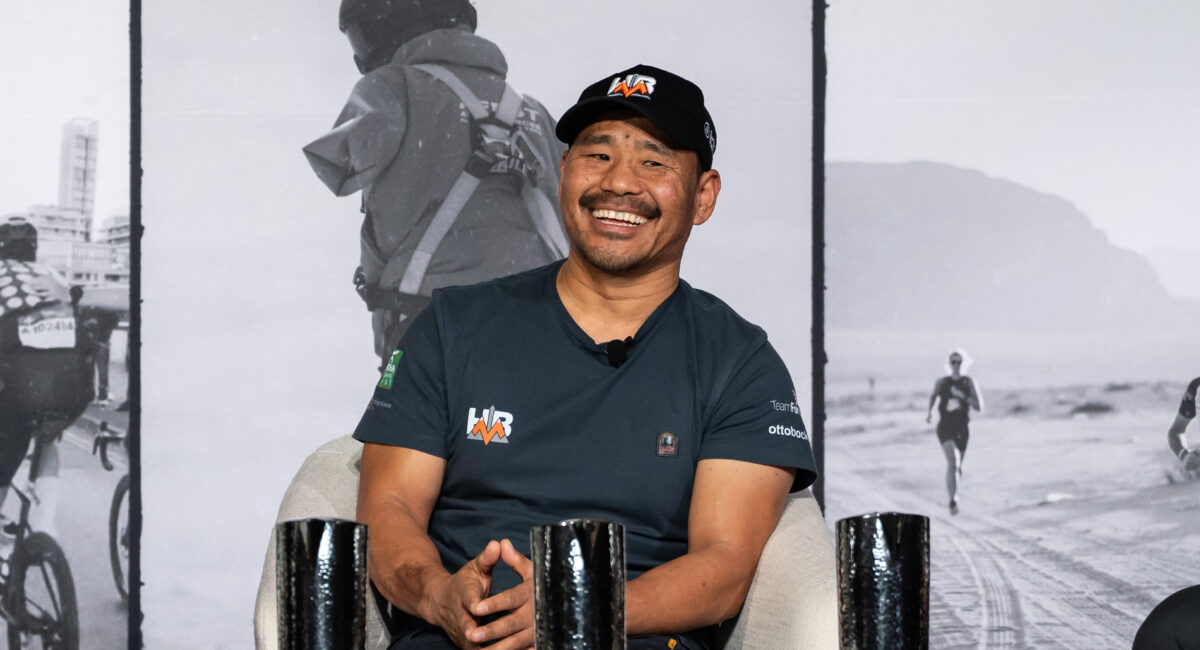
Hari Budha Magar, UK
Hari Budha Magar’s story is one of extraordinary resilience, rising from life-changing injury to achieve feats once thought impossible. A former Corporal in the Royal Gurkha Rifles, he lost both legs above the knee in an IED blast in Afghanistan in 2010, followed by multiple surgeries and a period of deep psychological struggle that brought him to the brink of suicide. With support from family, comrades and military charities, he rebuilt his life through sport—discovering mountaineering as a pathway to recovery, purpose, and identity.
Defying expectations at every stage, Hari went on to achieve historic, world-leading accomplishments in extreme environments. In 2023, he became the first double above-knee amputee to summit Mount Everest, and in 2024 completed the mountaineering “Grand Slam” by climbing the highest peaks on all seven continents—an achievement accomplished by fewer than 100 climbers worldwide, and never before by someone with such severe injuries. His journey has had global impact, reshaping perceptions of disability and inspiring countless individuals through his speaking, advocacy, and visibility including the IGF Conversation in February 2025. Hari’s story stands out within the Invictus community not only for the scale of adversity he overcame, but for how he has transformed that adversity into a platform for worldwide inspiration and change.
Temuri Dadiani, GEO
Temuri Dadiani exemplifies extraordinary resilience, transforming a life-changing combat injury into a career of continued service, elite sport, and global impact. In 2011, at just 20 years old, he lost both legs above the knee during a peacekeeping mission in Afghanistan—an injury that, in a country with limited rehabilitation support at the time, required immense personal determination to overcome. Rather than leaving the military, he continued to serve in the Georgian Defence Forces while rebuilding his physical and mental strength through adaptive sport. His achievements are exceptional: a gold medallist at the Invictus Games Vancouver 2025, multiple-time World and European Para-Arm-wrestling Champion, a two-time Guinness World Record holder, and Georgia’s first cross-country skiing Paralympian, competing across multiple Winter Games.
Beyond his personal success, Temuri has multiplied his resilience through impact on others. He has mentored and trained severely injured service members—including double and triple amputees—who have gone on to win medals at European Championships, demonstrating the tangible outcomes of his leadership. Alongside his sporting career, he has completed higher education in international relations and adaptive sports policy, equipping him to shape future recovery systems in Georgia. Through public speaking, national media appearances, and ongoing military service, he challenges perceptions of disability and inspires participation in sport as a pathway to recovery. His journey—spanning battlefield injury, world-class achievement, and sustained service—sets him apart within the Invictus community as a powerful example of resilience in action.
Ken Fisher, USA
Ken Fisher exemplifies the Invictus Spirit through unwavering dedication to ensuring the continuity and growth of the global Invictus Movement. As Chairman and CEO of the Fisher House Foundation, he not only supported the inaugural Invictus Games in 2014 but took decisive action to secure its future by leading the Organizing Committee for Invictus Games Orlando 2016. At a critical juncture, when the long-term sustainability of the Games was uncertain, Ken stepped forward—personally and professionally—to deliver a second iteration in less than a year. His leadership ensured that the transformative power of sport in recovery for wounded, injured, and sick service personnel would endure and expand.
Ken’s exceptional philanthropic commitment is demonstrated through both significant financial contributions and strategic leadership. He has directed sustained support for every iteration of the Invictus Games, funded participation for competitors and their families, and secured backing for Endeavor opportunities even before the Invictus Games Foundation was formally established. Notably, Invictus Games Orlando 2016 was funded at approximately 90% through private contributions he helped mobilize, with lasting impact through donated equipment for adaptive sports programs. Beyond funding, Ken has championed innovations such as the Healing Hut to support caregivers and has remained personally engaged with competitors, reinforcing the community at the heart of Invictus. His enduring commitment has materially advanced recovery, strengthened community bonds, and ensured that the Invictus Movement continues to thrive globally.
Francisco Pedraza Orsorio, COL
Francisco Pedraza Osorio is a Colombian wounded veteran, Invictus Games Dusseldorf 2023 competitor, and member of the WIS community who lost both legs in combat and has since become a national leader in recovery through sport and inclusion. Since 2019, he has been recognised as a powerful role model of resilience, rebuilding his life as a high-performance adaptive athlete—becoming a national handbike champion, competing internationally, and representing Colombia on the global stage. Alongside his sporting achievements, he has dedicated over a decade to supporting wounded service personnel through key institutions including the Directorate of Veterans and Inclusive Rehabilitation (DIVRI), the Ministry of Defence’s Inclusive Rehabilitation Centre, and the Secretariat of Social Integration. His work has included designing rehabilitation programmes, mentoring injured personnel from the earliest stages of recovery, and guiding many into adaptive sport—several of whom have gone on to become high-performance athletes themselves.
Beyond individual mentorship, Francisco’s impact is systemic and far-reaching. He has directly influenced hundreds of veterans, using sport, storytelling, and advocacy to transform perceptions of disability and recovery across Colombia. As a speaker and contributor to national initiatives such as the “Contar para Reparar” documentary, he has amplified the voices of those affected by conflict, while promoting adaptive sport and Invictus programmes as pathways to recovery and purpose. His leadership has helped shape inclusive policies, strengthen institutional collaboration, and increase national participation in sport for wounded personnel. Through sustained service, volunteerism, and the visible success of those he mentors, Francisco has created a lasting legacy—demonstrating not only personal resilience, but the ability to multiply it across an entire community.
Oksana Horbach, UKR
Oksana Horbach has played a transformative role in advancing sports recovery and the Invictus Spirit in Ukraine, particularly in a context of war and systemic gaps in veteran support. Since 2017, she has led the development of adaptive sport from the ground up in a country where no infrastructure, equipment, or public awareness previously existed. Through relentless advocacy, personal investment, and collaboration with multiple government ministries, NGOs, and international partners, she secured funding, introduced adaptive sports such as wheelchair basketball and rugby, and enabled Ukraine’s participation in the Invictus Games and Warrior Games. Her work has directly engaged over 1,000 wounded veterans and delivered more than 50 events, reaching over 20,000 people and embedding recovery through sport as a national priority.
Her impact extends far beyond national borders. By forging strong partnerships with Invictus nations including the UK and USA, Oksana has facilitated the exchange of expertise, equipment, and solidarity—ensuring Ukrainian veterans remain connected to the global community even during full-scale conflict. She has empowered individuals to become leaders in their own right, supporting the creation of local clubs, securing funding for veteran-led initiatives, and fostering a sustainable ecosystem of recovery and inclusion. Now serving on active duty, she continues to embody resilience through action. Oksana’s leadership has not only transformed opportunities for Ukrainian veterans, but has strengthened international collaboration and demonstrated how sport can unite, heal, and inspire across borders.
Nick Booth, CAN
Nick Booth has played a defining role in advancing the Invictus Movement globally through visionary leadership, collaboration, and a deep commitment to recovery through sport. As Chief Executive of the True Patriot Love Foundation, he was instrumental in bringing the Invictus Games to Canada, culminating in the landmark Invictus Games Vancouver Whistler 2025. These Games not only delivered national impact by strengthening public support for veterans and expanding awareness of recovery through sport but also broke new ground by embedding winter sports into the Invictus Games model. This innovation has created more inclusive and relevant recovery pathways for winter sports for recovery, unlocking research into the power of the outdoor environment and calculated risk taking, and ensuring the Movement continues to evolve to meet the needs of its community.
Nick’s leadership ensured that the 2025 Games left a lasting legacy. Through strong partnerships with government, the Invictus Games Foundation, and Indigenous leaders, he championed the meaningful inclusion of First Nations communities—placing cultural connection, respect, and shared storytelling at the heart of the Games. Beyond the Games with legacy funding, enduring, community-based programmes across Canada have been created in the Invictus Games Foundation model ensuring support for wounded, injured and sick service personnel continues long after the closing ceremony. His wider influence, including advising the Australian Department of Veterans’ Affairs, reflects a commitment to scaling these models internationally. Through his work, Nick Booth has helped contribute to how the Invictus Movement is not just seen as an event, but global programmes grounded in innovation, inclusion, and lasting impact.
Andrii Kucher, UKR
Andrii Kucher is a wounded Ukrainian veteran who sustained serious combat injuries during Russia’s full-scale invasion, facing both significant physical trauma and long-term psychological challenges. Confronted with prolonged recovery, systemic barriers to rehabilitation, and loss of military identity, he turned to sport as a lifeline for rebuilding his strength and purpose. In 2023, he co-founded the veteran-led organisation “Strong 300,” creating structured pathways for recovery through sport. Under his leadership, wounded veterans now train consistently and have participated in over 24 national and 10 international events in 2025, including the London Marathon—demonstrating measurable, sustained recovery outcomes.
Despite ongoing war and his own continued recovery, Andrii leads from the front—training, competing, and mentoring alongside fellow veterans. He has directly supported hundreds of wounded service personnel, including those with life-changing injuries and former prisoners of war, helping them move from isolation to purpose, with many progressing into competition and leadership roles. By building sustainable programmes, securing international partnerships, and redefining wounded veterans as capable and resilient, Andrii has created lasting impact—demonstrating how sport can drive recovery, resilience, and community in even the most extreme conditions.
Jonny Huntington, UK
Jonny Huntington’s story is defined by the scale of adversity he overcame and the extraordinary level of achievement that followed. In 2014, just weeks after commissioning as a British Army officer, he suffered a devastating stroke that left him paralysed down his left side with permanent brain damage, long-term mobility limitations, and chronic neuro-fatigue. Forced to relearn basic movements such as walking, he faced both profound physical and neurological challenges. Yet, rather than stepping away from ambition, he rebuilt his life through progressively extreme endurance challenges, culminating in a world-first achievement: becoming the first stroke survivor to complete a solo, unsupported ski expedition to the South Pole.
In 2024, Jonny completed this world-record feat by covering 911 kilometres over 45 days in temperatures as low as -40°C, hauling a sled weighing over 90kg for up to 11 hours a day—entirely unsupported, with no external assistance or resupply. The expedition represents one of the most physically and mentally demanding challenges possible, made even more extraordinary by the neurological limitations he continues to manage daily. On the hardest days, he could only move metres at a time, yet persisted across the full distance through relentless determination. His achievement, built on years of preparation including ultra-endurance runs and polar simulations, sets him apart within the Invictus Community—not only as a symbol of recovery, but as proof that even the most severe, life-altering injury can be transformed into world-leading, boundary-breaking accomplishment, all the while fundraising for numerous military charities.
Doug Griffiths, AUS
Douglas Griffiths exemplifies the Invictus Spirit through extraordinary resilience and an enduring commitment to serving others, even while facing a life-limiting illness. A competitor and Co-Captain of Team Invictus Australia for Vancouver/Whistler 2025, Doug continues to navigate the physical and mental challenges associated with a Stage IV diagnosis of rare, incurable cancer, following a 36-year career in the Royal Australian Navy. Nominated by his wife, who has witnessed his journey firsthand, his story reflects not only personal recovery but a conscious decision to use that experience in service of others. Through openness about his condition and determination to remain active, he demonstrates how sport and community can rebuild confidence, identity and purpose in the face of profound adversity.
Doug’s philanthropic contribution to the Invictus Movement is both tangible and deeply personal. Over the past 18 months, he has raised more than AUD $21,900 for Invictus Australia through physically demanding challenges, including the IRONMAN World Championship in Hawaii and the UTMB Kosciuszko 100 ultra marathon—undertaken while receiving ongoing cancer treatment and entirely self-funded. Beyond fundraising, he continues to support the movement through advocacy, community engagement and volunteer service, including work with veterans, corporate partners and grassroots sport initiatives. His leadership as a teammate and co-captain, combined with his willingness to share his lived experience of recovery, has inspired others to engage with adaptive sport and the Invictus programme. His impact extends beyond financial contribution, strengthening awareness, participation and community connection across the veteran network.
Scotty Darroch, UK
David “Scotty” Darroch’s story is one of extraordinary resilience and selflessness. After a childhood marked by trauma and a military career that exposed him to some of the worst realities of conflict, he faced years of severe post-traumatic stress, addiction, and repeated suicide attempts. His turning point came when he recognised he was living with illness, not personal failure, and began the long road to recovery—one that he has since dedicated to helping others walk. What sets Scotty apart is not only his recovery, but how he has transformed his experiences into a force for good. He openly shares his story to break down stigma around mental health, particularly among service personnel, encouraging others to seek help and speak openly about their struggles.
His most remarkable fundraising effort for the Invictus Games Foundation came in May 2025, when he completed the West Highland Way—96 miles with over 4,300 metres of ascent—in just seven days. The challenge, “Carry The Load,” symbolised the invisible burdens carried by veterans and aimed to inspire others to share their own. Scotty completed the feat, raising £12,000 and, more importantly, driving awareness and life-saving conversations around mental health. Through sheer determination and a commitment to others that outweighs his own hardships, Scotty continues to demonstrate what it means to turn adversity into impact—saving lives not just through fundraising, but by giving others the courage to speak.
Mindaugas Kolbinas, LIT
Mindaugas Kolbinas has played a transformative role in building and strengthening the Invictus community in Lithuania through his leadership, resilience, and unwavering commitment to others. A wounded service member, Invictus Games Vancouver Whistler 2025 competitor, and team captain, he has been instrumental in creating opportunities for recovery through sport in a context of limited resources. As founder of the Lithuanian Armed Forces Wounded Warrior Foundation, he has worked tirelessly—often contributing his own time and finances—to establish a sustainable pathway for wounded service members. His efforts were pivotal in Lithuania receiving an invitation to join the Invictus community, opening the door to international participation and collaboration, while also securing essential resources such as an RGK Shark RT handbike and funding for professional archery equipment—assets that were previously out of reach for the community.
Mindaugas’s impact is deeply rooted in practical, community-driven action. He has organised sports camps, training programmes, and access to qualified coaches, while building partnerships with institutions such as the Lithuanian Sports University to support long-term athlete development. Working closely with wounded soldiers, he personally identifies individual needs and ensures they receive the right equipment, guidance, and encouragement—creating a supportive, trust-based environment where confidence and purpose can be rebuilt. His leadership has brought people together, increased participation in sport, and fostered a strong sense of unity and pride. Beyond Lithuania, he has strengthened international ties through joint training initiatives and collaboration with other Invictus nations, ensuring that Lithuanian veterans are part of a wider global community. Through his determination and example, Mindaugas has not only expanded access to recovery through sport but created a lasting, empowered community that embodies the true spirit of Invictus.
Liz Winfield, UK
The Armed Forces Para Snowsport Team (AFPST), led operationally by COO Elizabeth Winfield, has demonstrated exceptional community impact through its delivery of Project Volya—a pioneering initiative bringing adaptive snowsport directly into Ukraine during ongoing conflict. At the heart of this work was a highly effective “train-the-trainer” model, which upskilled 25 Ukrainian instructors across Alpine, snowboard, and Nordic disciplines, creating a sustainable, locally led pathway for recovery through sport. By working in-country and embedding a peer-led approach—where over half of AFPST instructors were themselves wounded, injured or sick (WIS)—the programme built trust, credibility, and immediate relevance, enabling 25 Ukrainian WIS participants to take their first steps into sport-based recovery. The impact extended further, with participants progressing into international opportunities, including Invictus Games Foundation snowsport experiences, ensuring continuity beyond the initial intervention.
Liz Winfield’s leadership and AFPST’s decade-long expertise in adaptive snowsport have been critical in translating experience into lasting community outcomes. AFPST has long supported the UK WIS community and international partners, and Project Volya represents a significant evolution of that work—exporting a proven recovery model into one of the most challenging environments globally. The initiative not only strengthened Ukraine’s capacity to deliver adaptive sport independently, but also reinforced international solidarity within the Invictus community. AFPST’s broader track record—including high-performance training environments such as international competitions in Colorado—underscores its credibility, while Liz’s role in scaling these programmes has helped position adaptive snowsport as a powerful, repeatable model for recovery. Through Project Volya, she and AFPST have created a lasting legacy: empowering individuals, building national capability, and ensuring the impact of sport continues long after the programme itself.
Invictus Germany
Invictus Germany stands as a powerful example of how vision, partnership, and sustained commitment can transform the Invictus Movement at a national and international level. Led initially by D.Live, alongside the German Federal Ministry of Defence (FMOD) and the City of Düsseldorf, the organisation emerged from the successful delivery of the Invictus Games Düsseldorf 2023. Crucially, it was the foresight and personal commitment of Michael Brill and Martin Ammermann that ensured the Games’ legacy did not end in 2023. Acting early and at significant organisational risk, they drove the creation of Invictus Germany in partnership with the Invictus Games Foundation—establishing a long-term platform to advance recovery through sport and strengthen connections between German society and the Bundeswehr.
Since its inception, Invictus Germany has become a cornerstone of the global Invictus Movement. Working closely with government, civic leadership, and international partners, it has delivered impactful initiatives including a biennial Invictus Germany Sports Festival and Awards Ceremony, fostering ongoing participation, recognition, and community for wounded, injured and sick service personnel. The 2024 Sports Festival brought together 200 competitors from five nations, with further international expansion planned. Through sustained advocacy, Invictus Germany has also helped catalyse broader national change, contributing to the introduction of Germany’s annual Veterans’ Day and securing significant government funding, including €200,000 for future events. Its model is now influencing other nations, demonstrating how collaboration, innovation, and belief in the Invictus ethos can create lasting structures that advance resilience, inclusion, and recovery through sport across borders.
General Musa, NGA (NOT IN ATTENDANCE)
General Musa, Chief of Defence Staff of Nigeria and former Minister of Defence, has demonstrated exceptional leadership in advancing recovery through sport in a region of significant need. Under his leadership, Nigeria became the first African nation to join the Invictus Community—marking a historic step in expanding the global reach of the Invictus Movement. Recognising the transformative power of sport in rehabilitation, resilience, and reintegration, he has championed initiatives that support wounded, injured and sick service personnel, embedding the unconquered spirit within Nigeria’s armed forces and beyond.
A defining achievement of his vision is the commissioning of the Armed Forces Invictus Centre, set for completion in 2026—an extraordinary milestone so soon after Nigeria’s entry into the Invictus Community. This centre will provide dedicated, world-class facilities for rehabilitation, adaptive sport, and recovery, creating life-changing opportunities for service personnel while fostering inclusion and long-term wellbeing. Crucially, it will stand as a beacon for other nations across Africa and beyond, demonstrating what is possible through commitment, collaboration, and belief in the power of sport. Through his leadership, General Musa has not only transformed recovery pathways within Nigeria, but also inspired a new chapter of international growth and solidarity across the Invictus Movement.